Independent design concept. Not affiliated with Harvard Bioscience, Inc. Official investor relations: investor.harvardbioscience.com

Harvard Bioscience, Inc. · Nasdaq: HBIO

Instruments for life science research, since 1901.

Harvard Bioscience describes itself as “a leading developer, manufacturer and seller of technologies, products and services that enable fundamental advances in life science applications”. It sells to academic and government laboratories, to pharmaceutical and biotechnology companies and to contract research organizations, from operations in the United States, Europe and China. Filed 10-K

Read first: the loss, the financing and the listing

  1. The net loss for 2025 was $56.7M. $48.0M of it is a goodwill impairment recorded in the first quarter of 2025. Filed 10-K
  2. The 10-K says the maturity of the old credit agreement and covenant uncertainty “raised substantial doubt about the Company’s ability to continue as a going concern,” and that, after the December 17, 2025 refinancing, management concluded the conditions had been alleviated and that substantial doubt did not exist when the 10-K was issued. Filed 10-K
  3. Nasdaq notified the company on April 4, 2025 that its stock had fallen below the $1.00 minimum bid price. A 1-for-10 reverse stock split took effect on March 13, 2026, and the 10-K says the company cannot guarantee future compliance. Filed Read the details
  4. The $40.0M of term loans carries interest of at least 12.80%, and the 10-Q gives an effective rate of 17.9% for the second quarter of 2026. The $7.5M Term C loan converts at $10.00 a share: about 750,000 shares, or 16.5% of the shares outstanding, before any interest paid in kind. Filed Computed Read the terms
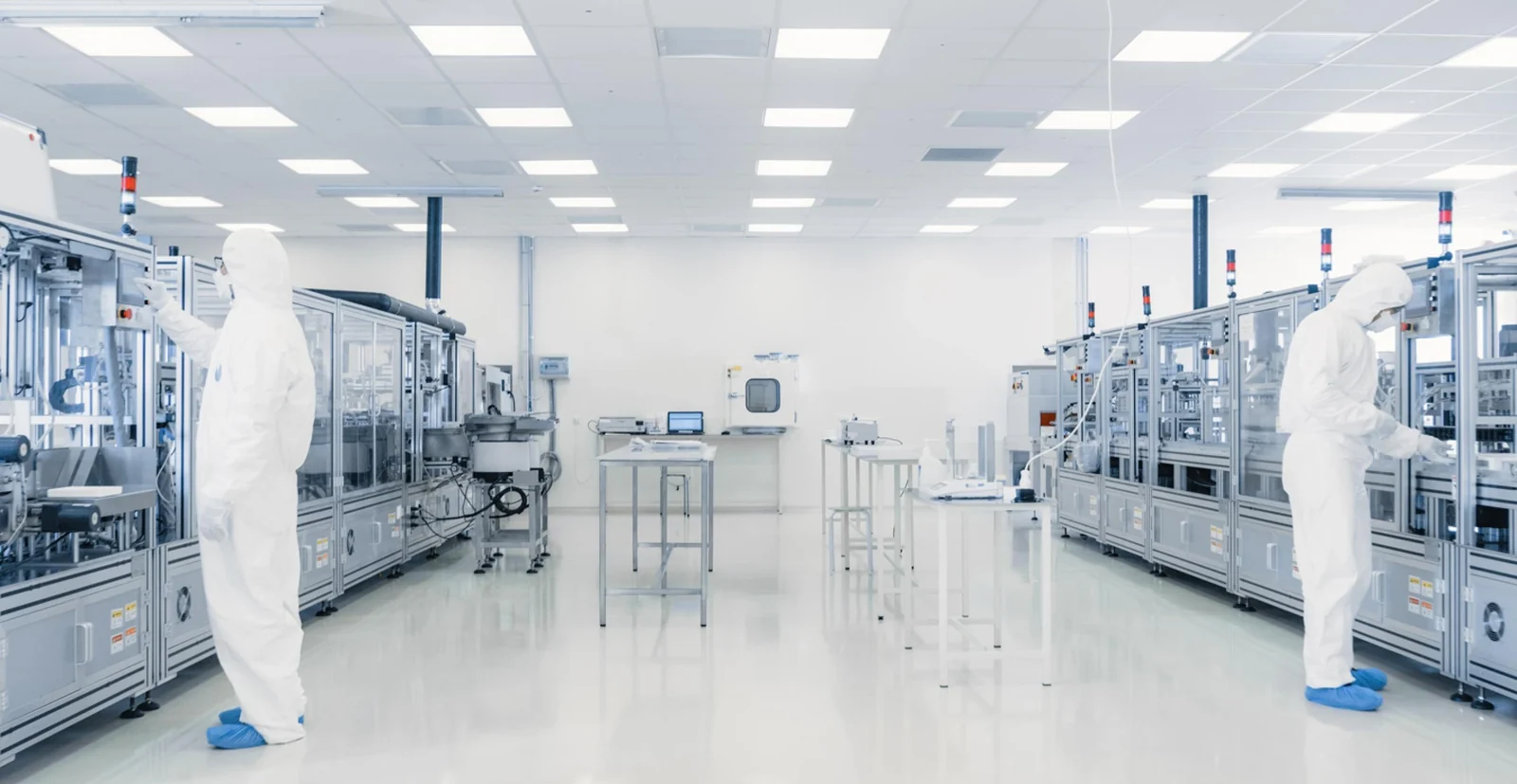
Two people in white protective suits work along an automated production line in a bright cleanroom
The company’s crescent mark, enlarged around a photograph The crescent arc from the Harvard Bioscience logo drawn large around a circular photograph, with a small dot that travels slowly around a dashed ring. Decorative.
$86.6M Revenue, year ended Dec 31, 2025 10-K · filed
55% Recurring revenue, share of total revenues at Dec 31, 2025 10-K, company measure · 2026 slides say 54%
+11.1% Revenue, second quarter of 2026 against 2025, to $22.7M 10-Q · filed
$6.5M Cash and cash equivalents, Jun 30, 2026 10-Q · filed
4,552,305 Shares outstanding, Aug 4, 2026, after the 1-for-10 reverse split 10-Q cover · filed
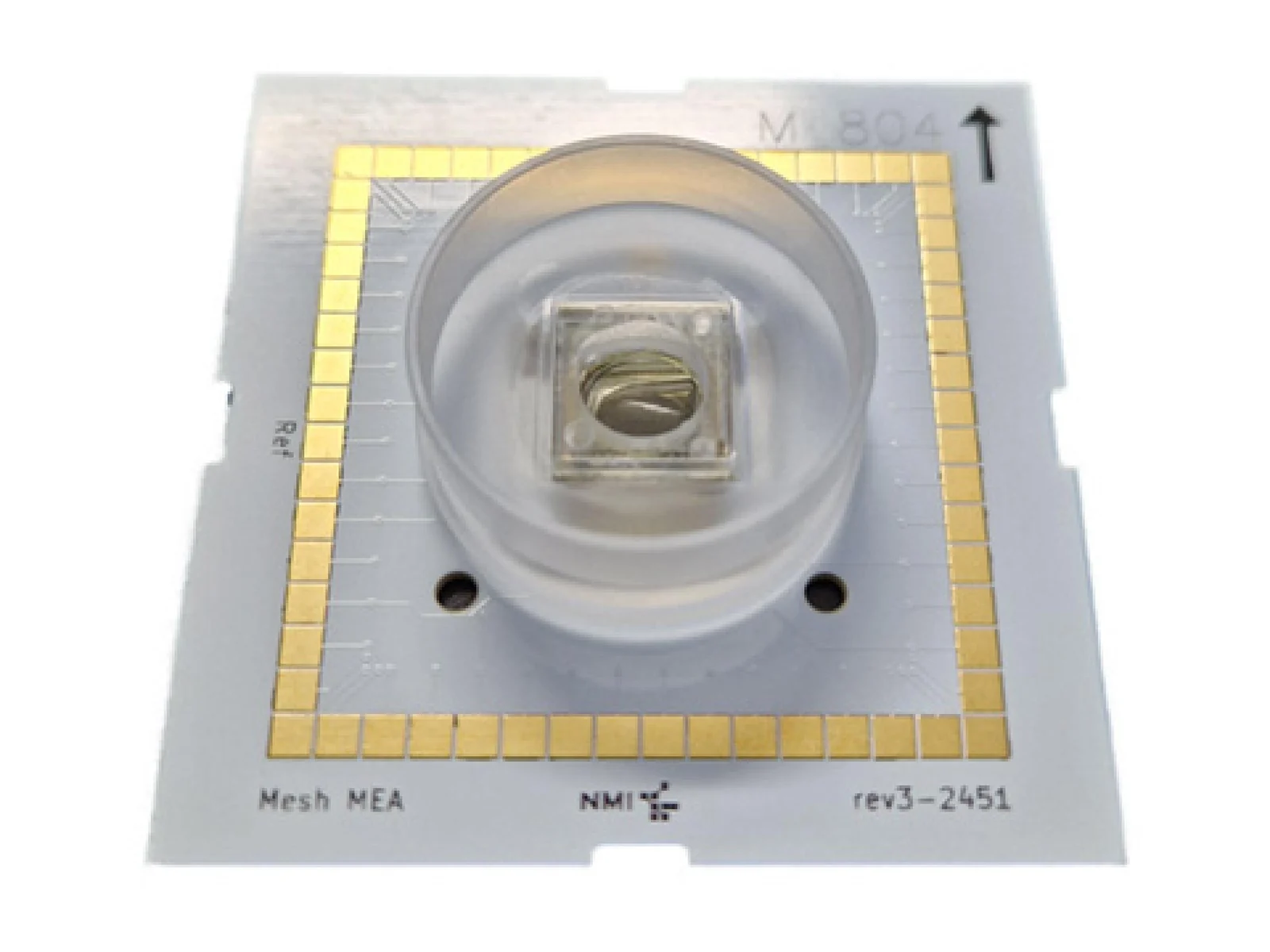
A square circuit-board plate with a ring of gold electrode pads around a clear round well
MeshMEA, a recording plate for organoids and tissue, as shown on harvardbioscience.com. Company site
Story

From the syringe pump to the organoid plate.

The business began in 1901 as Harvard Apparatus, founded by Dr. William T. Porter, a professor of physiology at Harvard Medical School. Its early inventions included ventilators, the mechanical syringe pump for drug infusion in the 1950s and the microprocessor-controlled syringe pump in the 1980s. Filed 10-K

Its products and services are sold “to customers ranging from renowned academic institutions and government laboratories to the world’s leading pharmaceutical, biotechnology and contract research organizations (‘CROs’),” and through “a combination of direct and distribution channels” to customers around the world. Filed 10-K

“As the life sciences industry accelerates toward New Approach Methodologies (“NAMs”), Harvard Bioscience expects to evolve from a traditional tools provider into a leading enabler of Translational Medicine – positioned to bridge the gap between laboratory research and human clinical success.”

Company statement 10-K, Item 1

Plan

The 10-K sets out four pillars.

These are the company’s own words about what it plans to do. They are intentions, not results. Company statement

  1. 01

    Leading the Translational Bridge

    The company plans to lead by “bridging in vivo and in vitro research” and to help the industry move into “the organoid and 3D biology markets,” offering customers “an integrated solution across critical stages of discovery and development.”

  2. 02

    New Product Introduction pipeline

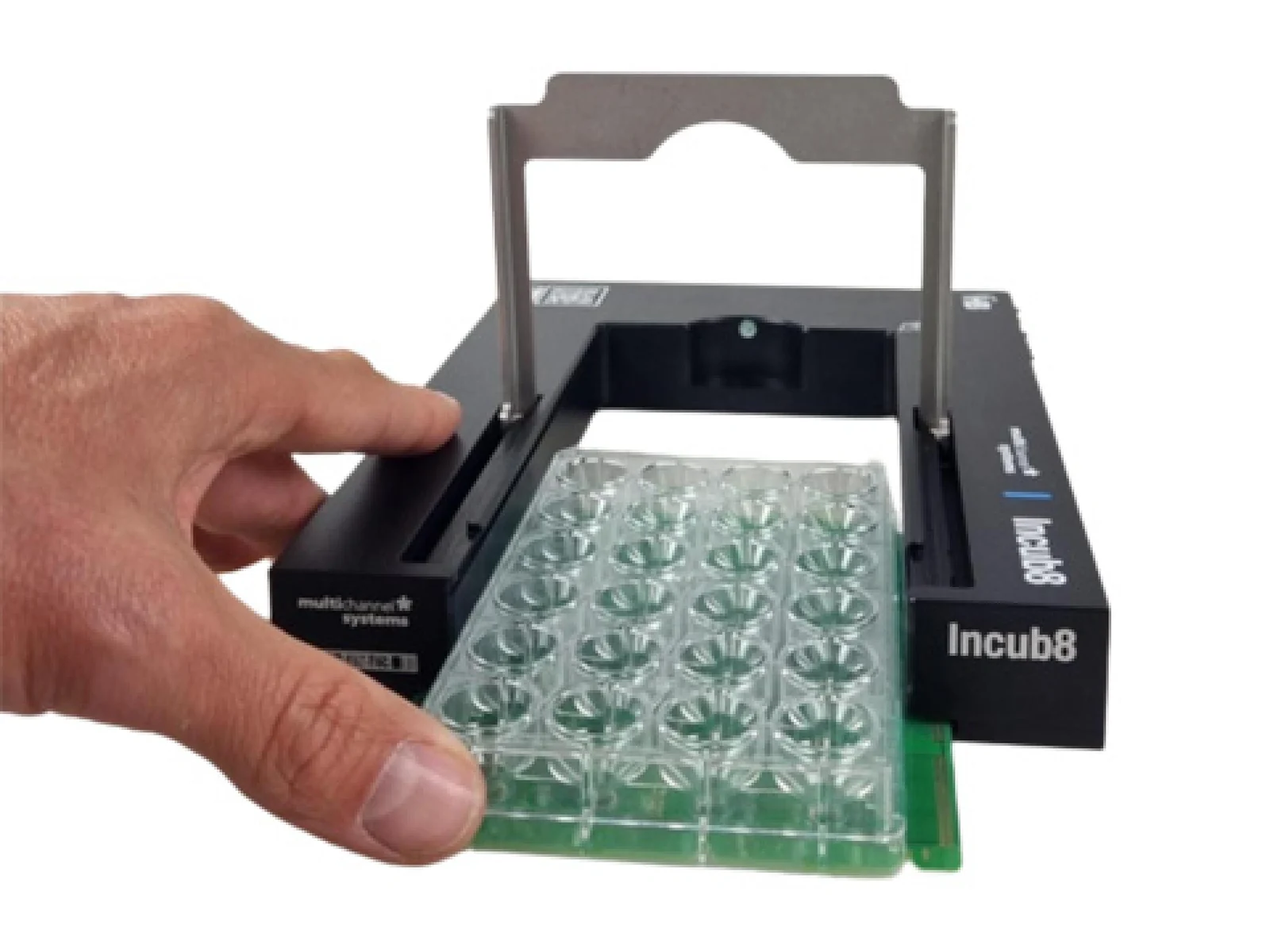
    Platforms such as SoHo™ telemetry, and the proprietary MeshMEA and Incub8 platforms, “both of which are designed for organoid and tissue recording.”

  3. 03

    Consumables Revenue Expansion

    It aims at “shifting mix toward higher-margin consumables and software,” starting from what it calls recurring revenue, 55% of total revenues at December 31, 2025. The 10-K does not define the measure, and the company’s 2026 investor presentations give 54% for 2025.

  4. 04

    Operational Excellence and Disciplined Growth

    Using the preclinical business “as a cash-generating foundation” for research and development and bolt-on acquisitions. Project Viking, approved January 23, 2026, is to close the Holliston, Massachusetts manufacturing facility and move U.S. production to Minneapolis, with some operations moving to Germany, Sweden and the UK. Holliston stays open through 2026, and the 8-K expects the consolidation to be completed by the first quarter of 2027. The company expects about $3 million of savings in 2027 and about $4 million a year from 2028; the 10-Q estimates restructuring charges of about $3.6 to $4.5 million, including $0.6 to $0.7 million of non-cash charges, subject to change. 8-K, Jan 29, 2026

10-K, Item 1 · the savings figures are the company’s expectations in its January 29, 2026 8-K

Instruments

What it sells.

Four of the products the company shows on its own site, from recording plates for organoids to a benchtop spectrophotometer. The site’s home page was read on October 18, 2026; no performance figures are repeated here. Company site

A hand slides a clear 24-well plate into a black recording station labelled Incub8
Incub8™Proprietary platform for organoid and tissue recording, named in the 10-K plan.
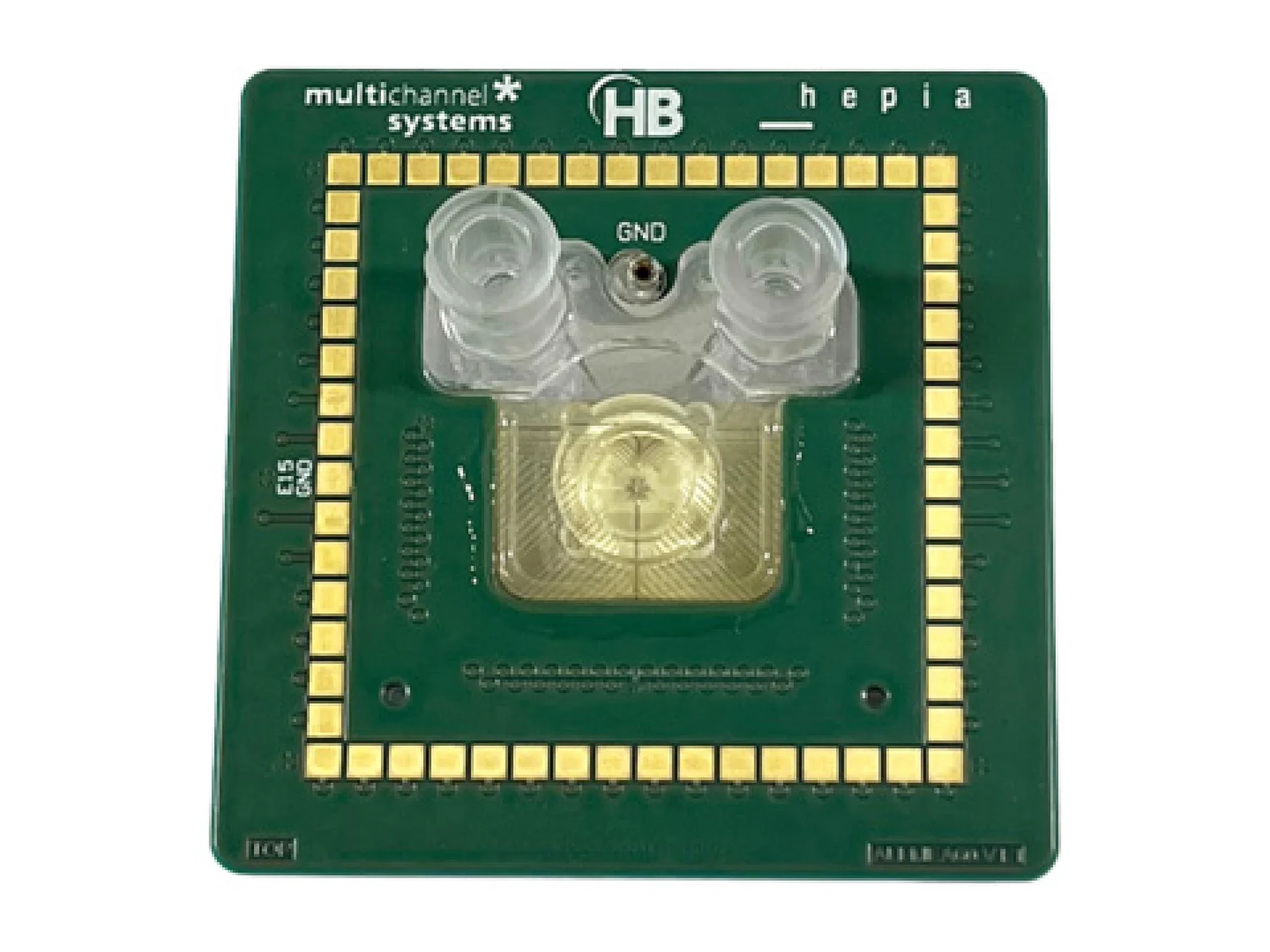
A green circuit board marked multichannel systems with a clear well at its centre
ALI MEA™Listed among featured products; the site’s image title describes air-liquid interface organoid electrophysiology.
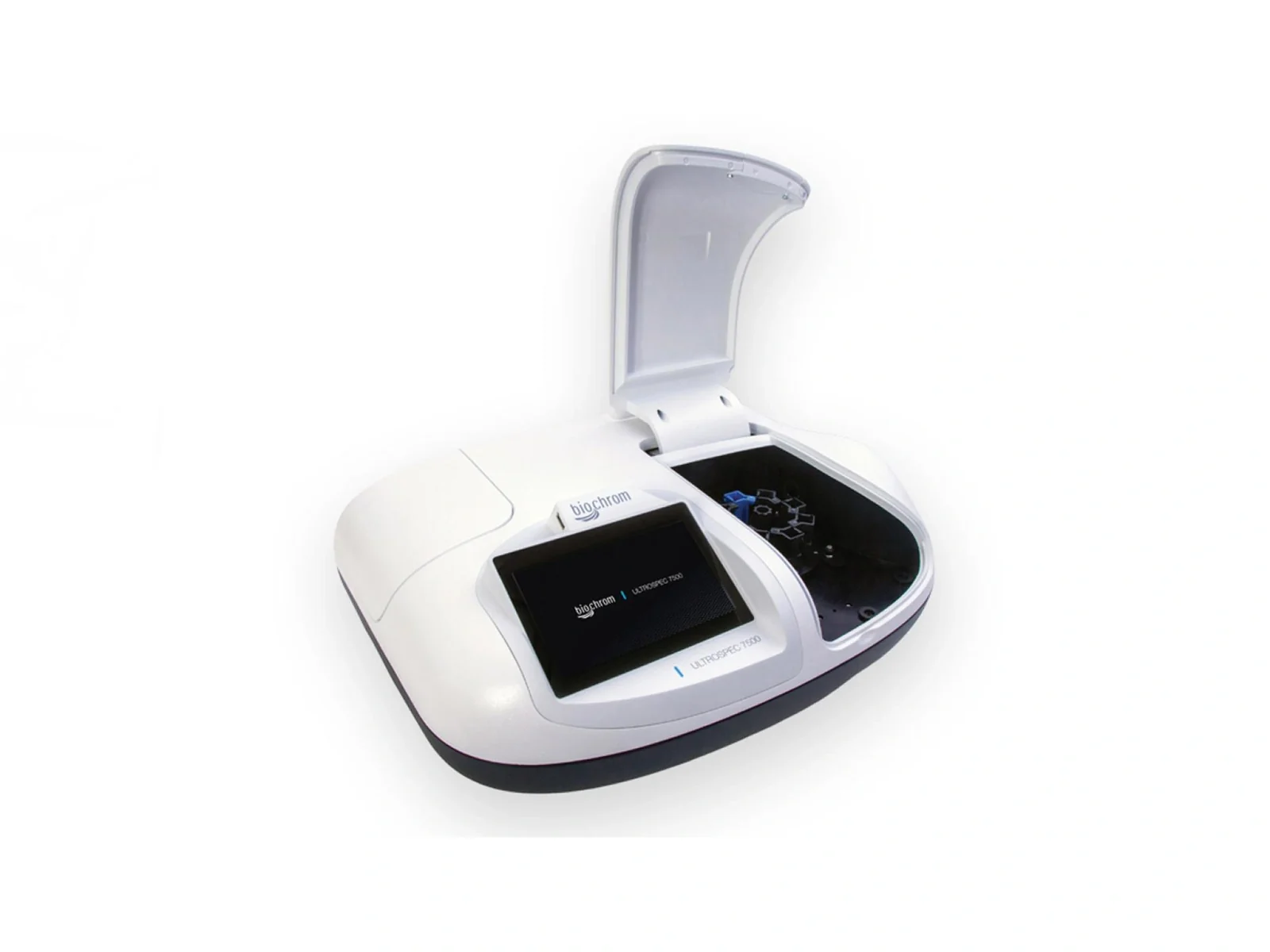
A white and black benchtop spectrophotometer with its lid open
Biochrom spectrophotometersUV/Visible and microvolume instruments, listed under Biochrom on the site.
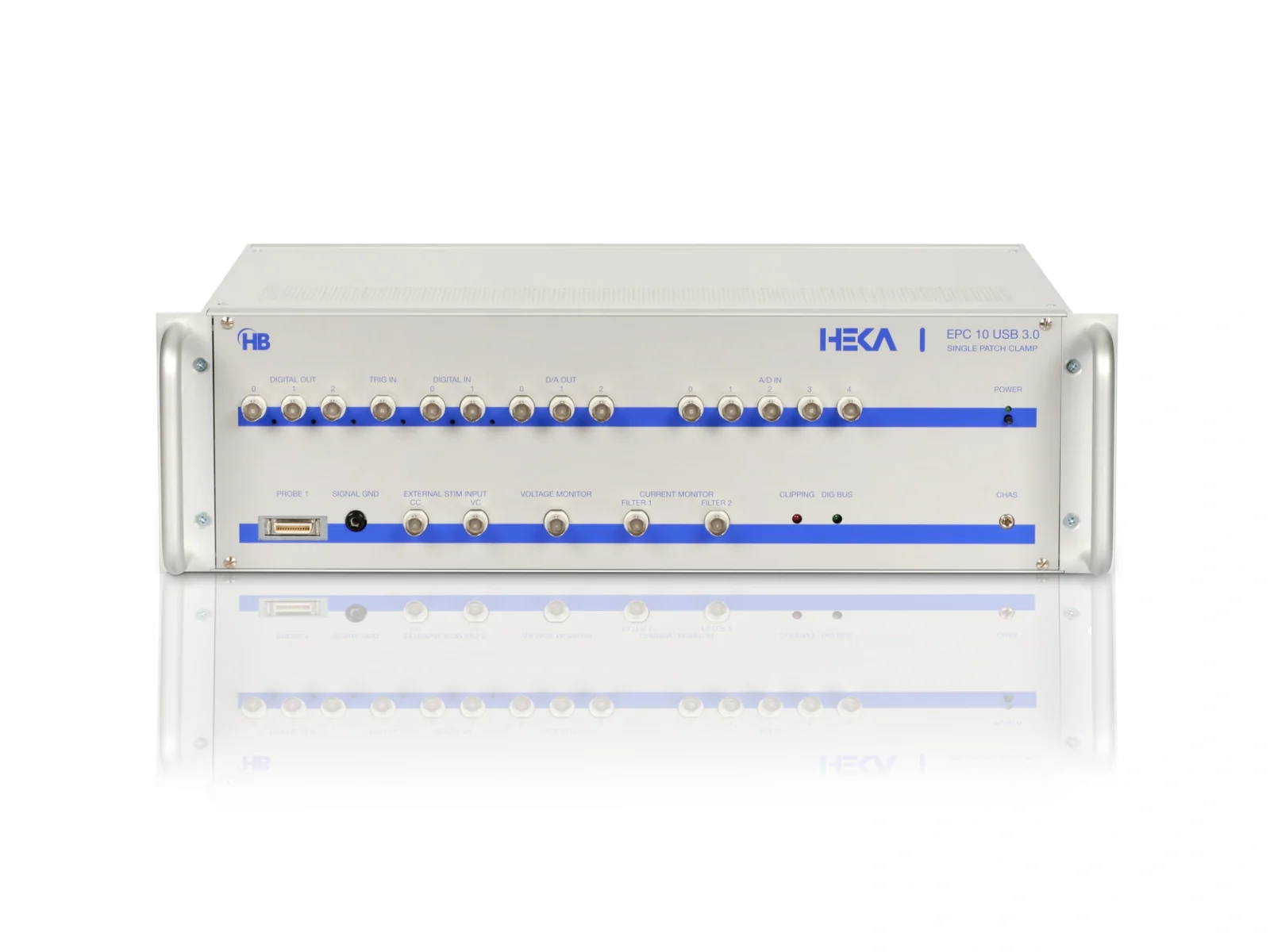
A rack-mounted HEKA amplifier with a row of blue-ringed connectors
EPC 10 USB 3.0 patch clamp amplifierA HEKA instrument for electrophysiology, listed as a featured product.

Brands on the site Biochrom · BTX · DSI · Multi Channel Systems · HEKA · Harvard Apparatus · Panlab · Warner Instruments · CMA · Hugo Sachs Elektronik · KD Scientific. Company site

Financials

What is inside the 2025 loss.

Revenue was $86.6M in 2025 against $94.1M in 2024. The net loss was $56.7M, of which $48.0M is the first-quarter goodwill impairment. Operations produced $6.7M of cash in 2025; the 10-K puts cash flow adjusted for non-cash items at $1.1M and credits the increase mainly to lower inventory and higher payables. In the first half of 2026 operations used $0.3M. Filed 10-K 10-Q

From gross profit to net loss, 2025

  1. Gross profit$49.9MFiled
  2. Operating costs before the impairment($50.5M)Computed
  3. Goodwill impairment, first quarter($48.0M)Filed
  4. Operating loss($48.6M)Filed
  5. Total other expense($8.8M)Filed
  6. Loss before income taxes($57.4M)Filed
  7. Income tax benefit$0.7MFiled
  8. Net loss($56.7M)Filed

Operating costs before the impairment are computed on this page: gross profit plus the operating loss, less the impairment ($49.9M + $48.6M − $48.0M). Total other expense is filed: interest expense $4.9M, a loss on a pension settlement $1.2M and other expense, net $2.7M, which the 10-K says includes $1.8M of costs of exploring alternative sources of capital. Without the impairment the operating loss would have been about $0.6M. Bar lengths are drawn to the figures, longest = the loss before income taxes.

Revenue and net loss, fiscal years ended December 31 (US dollars, as filed)
Year endedRevenueNet lossFiling
Dec 31, 2025$86,550,000($56,700,000)10-K
Dec 31, 2024$94,135,000($12,405,000)10-K
Dec 31, 2023$112,250,000($3,415,000)10-K
Dec 31, 2022$113,335,000($9,516,000)10-K
Dec 31, 2021$118,904,000($288,000)10-K

Each row comes from the latest 10-K that presents it: the 2025 10-K for 2025 and 2024, and the following year’s 10-K for 2023, 2022 and 2021. All five rows use the same XBRL revenue tag; the company’s longer series, not shown here, crosses a tag change. Filed

Second quarter and first half, 2026 against 2025 (US dollars, unaudited, from the 10-Q)
MeasureQ2 2026Q2 2025H1 2026H1 2025
Revenue$22,727,000$20,450,000$43,482,000$42,224,000
Gross profit$12,630,000$11,533,000$24,874,000$23,717,000
Operating loss($978,000)($819,000)($2,152,000)($50,487,000)
Net loss($2,910,000)($2,282,000)($6,334,000)($52,622,000)

The first-half 2025 loss includes the $48.0M goodwill impairment recorded in the first quarter of 2025, which is why it is so much larger than the first-half 2026 loss. Revenue rose $22.7M against $20.5M in the second quarter, or 11.1%. Filed 10-Q

The 10-Q also says: “Our business has also been negatively affected by the imposition of increased tariffs on shipments of products between the United States and other countries, and in particular between the United States and China.” Other current liabilities include $6.8M of employee retention tax credit refunds the company has received; the 10-Q says its compliance “may be subject to audit until May 2029.” In January 2026 a third party alleged a potential claim for breach of contract; the company does not concede it and estimates a possible loss of $0.1M to $0.8M. Filed 10-Q

Financing and listing

What the filings say about the debt and the listing.

Set out in the filings’ words, with the dates. Nothing here is softened and nothing is added.

Going-concern history

The 10-K says the anticipated maturity of the old credit agreement on December 22, 2025, with uncertainty about future covenants, “raised substantial doubt about the Company’s ability to continue as a going concern.” After the December 17, 2025 refinancing, management “concluded that (1) the conditions and events that initially raised substantial doubt have been alleviated and (2) substantial doubt does not exist as of the issuance date.” Filed 10-K

The December 17, 2025 loan agreement

Term loans, principal at December 17, 2025 (US dollars)
LoanPrincipalTerms
Term A$10,000,000Senior secured; matures Dec 17, 2029 per the 8-K, Dec 31, 2029 per the 10-K and 10-Q
Term B$22,500,000Senior secured; matures Dec 17, 2029 per the 8-K, Dec 31, 2029 per the 10-K and 10-Q
Term C$7,500,000Senior secured convertible; $10.00 a share after the reverse split ($1.00 before it), automatic above $15.00 for thirty trading days
Total$40,000,000 

Interest is the greater of 12.80% (then 12.50% after the second anniversary) and the prime rate plus 5.25%, paid monthly in cash; the company may pay interest on Term C in kind. Quarterly principal payments on Terms A and B start December 31, 2027. A 10.00% exit fee is payable on term loan amounts that are prepaid or repaid, including at maturity, except Term C amounts that convert into common stock. Prepayment premiums are 3.00% in the first year, 2.00% in the second and 1.00% in the third, and none after that; no premium is due on Term A prepaid before March 31, 2027. Term C may not be prepaid before maturity except on full repayment of all term loans or a change of control. Maturity and the start of amortisation may be extended by one year if the company meets an adjusted EBITDA milestone. Filed 8-K, Dec 17, 2025

The 10-Q gives an effective interest rate of 17.9% for the second quarter of 2026. After the reverse split Term C converts at $10.00 a share, at the lenders’ option or automatically if the stock exceeds $15.00 for thirty consecutive trading days: about 750,000 shares, or 16.5% of the 4,552,305 shares outstanding, before any interest paid in kind Computed. The lenders also hold detachable warrants for 200,000 shares at $5.00 a share, exercisable for seven years from December 17, 2025; 30,000 were exercised in the first quarter of 2026. 10-Q Filed 8-K, Dec 17, 2025

Covenants

The loan agreement has a minimum liquidity covenant that applies at all times and a minimum adjusted EBITDA covenant tested at the end of each quarter. The 10-Q for the quarter ended June 30, 2026 says the company was in compliance with these covenants, including a $3.0 million minimum liquidity requirement and a minimum adjusted EBITDA of at least $6.0 million on a trailing 12-month basis. Filed 10-Q

The Nasdaq minimum bid price, in order

  1. Nasdaq’s notification letter: the bid price had been below $1.00 for 30 consecutive business days, February 21 to April 3, 2025.
  2. The stock moved from the Nasdaq Global Market to the Nasdaq Capital Market, with a further 180 days, to March 30, 2026, to regain compliance.
  3. Stockholders approved a reverse stock split at a special meeting.
  4. A 1-for-10 reverse split took effect. The 10-K, filed the same day, says “We cannot provide any guarantee that we will be able to regain or maintain compliance with Nasdaq’s listing requirements in the future.”
  5. The 10-Q reports that the stock began trading on a split-adjusted basis on the Nasdaq Capital Market, still as HBIO.

Filed 10-K 10-Q 8-K, Mar 6, 2026

Debt on the balance sheet

Principal borrowed was $40.0M at December 31, 2025, against $37.4M a year earlier, and was still $40.0M at June 30, 2026: Term A $10.0M, Term B $22.5M and Term C $7.5M. Net of discounts, issuance costs and exit-fee accretion, long-term debt was carried at $35.9M at December 31, 2025 and $36.7M at June 30, 2026. Cash was $8.6M, then $6.5M. Filed 10-K 10-Q

Filings

The record since November 2025.

Each line links to the filing on EDGAR. The list holds every annual and quarterly report, proxy statement and Form 8-K in the period, named by form and main items (the exhibit-only Item 9.01 is not repeated); insider-ownership and other forms are on EDGAR.

2026

2025

Investor alerts

Filings and releases by email come from the company’s own alerts service. This page collects no email address.

Official email alerts
Investor relations

Contact.

Headquarters

Holliston, Massachusetts